Traditions that shape a Catholic Wedding are rich with prayer, Scripture, and symbols that point beyond the couple to God’s faithful love. As Pastor Brian, I have seen how these customs do more than decorate a special day. They invite you, your families, and your guests to step into a holy mystery where Christ is present at the center of your marriage.
In a Catholic ceremony, every word, gesture, and symbol has a history that stretches back through centuries of Christian worship. The rite of marriage is not only a public promise between two people. It is also a sacrament, a visible sign of God’s grace at work in the couple’s life together.

As you prepare for marriage, it helps to see how each part of the liturgy fits together: the nuptial Mass, the vows at the altar, the ritual symbols, and the devotions that many couples choose to include. These elements do not all have to look exactly the same at every wedding, but they share the same purpose: to proclaim Christ’s love and strengthen your call to lifelong fidelity.
The Nuptial Mass and Eucharistic Celebration
The nuptial Mass is the most complete form of the Catholic wedding liturgy. In this celebration, your marriage rite is woven into the regular structure of the Mass, from the Liturgy of the Word to the Liturgy of the Eucharist. The whole assembly prays for you, listens to Scripture with you, and then witnesses your vows as part of the Church’s greatest prayer of praise and thanksgiving.
When a wedding takes place within Mass, it expresses a powerful truth: your love as husband and wife is joined to Christ’s sacrificial love made present in the Eucharist. The same Lord who gave himself for his Bride, the Church, feeds you with his Body and Blood and sends you out as a married couple to bear witness to his covenant. This is why the Church encourages two practicing Catholics to marry during Mass whenever possible and offers helpful guidance on how to plan a church wedding that reflects this deep meaning.
Not every Catholic wedding includes a full Mass. When one person is not Catholic, or when pastoral circumstances suggest it, the Church provides a wedding liturgy with readings, vows, and blessing, but without the Eucharistic celebration. Even then, the focus remains on Christ’s presence in the Word proclaimed, in the priest’s blessing, and in your consent. The choice between a nuptial Mass and a simpler wedding liturgy is made in conversation with your priest or deacon, keeping both the faith of the couple and the good of those attending in view.
Sacramental Vows Before the Altar
The vows you speak are the heart of the sacrament of Matrimony. In Catholic teaching, you and your spouse are the ministers of this sacrament, and the priest or deacon serves as the Church’s official witness. Standing before the altar, you freely give and receive each other in a lifelong covenant, promising to be faithful in good times and in bad, in sickness and in health, and to love and honor each other all the days of your life.
These promises are not private words spoken in a corner. They are spoken openly before God, the Church community, and your families. The altar behind you is a constant reminder that your love is joined to Christ’s offering of himself. When you say “I do,” you are not only describing a present feeling. You are pledging a future, trusting that God’s grace will sustain you through joys and trials. Many couples find that thoughtful preparation and prayer, along with practical resources that help them plan a church wedding, make their vows feel both solemn and deeply personal.
Because the vows carry such weight, the Church takes their preparation seriously. Premarital meetings, marriage preparation courses, and honest conversations about faith, finances, family, and communication all help you say “yes” with clarity and freedom. The goal is not to burden you but to ensure that your consent is mature, informed, and grounded in real love, not only in emotion or social pressure.
Ritual Symbols: Rings, Candles, and Veils
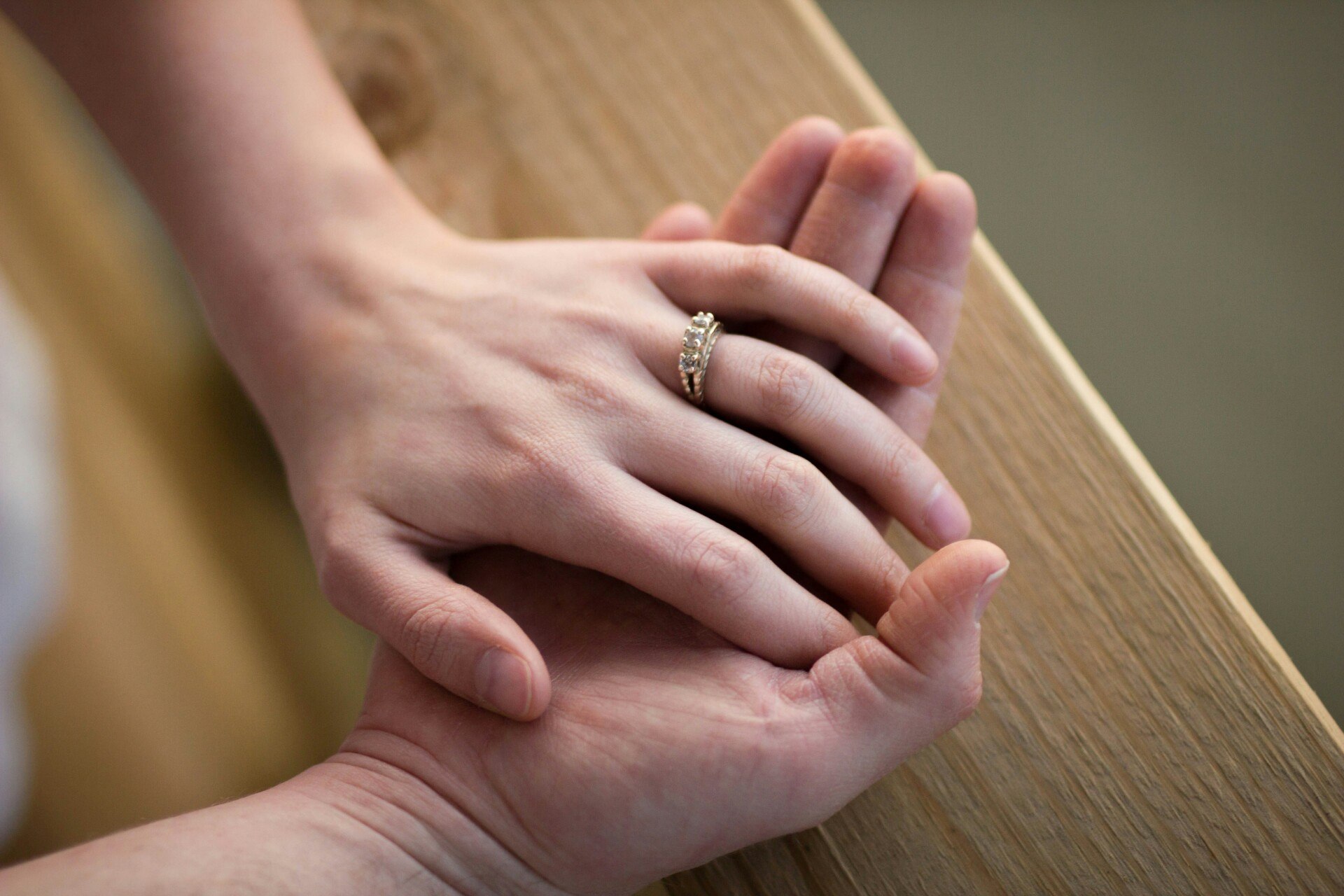
Marriage rings, candles, and veils are outward signs pointing to invisible realities. The exchange of rings is perhaps the most recognizable Catholic wedding symbol. The circular shape represents a love that does not end, and the precious metal speaks of the dignity and permanence of marriage. When you place the ring on your spouse’s finger and repeat words of promise, you are pledging fidelity that lasts through every season of life.
You may also see a unity candle or similar tradition used in some Catholic ceremonies, often adapted to local custom. Two smaller candles, sometimes lit by each family, can represent your individual lives and the love that formed you. When you together light a larger candle, you show that your lives are now joined, not erasing your individuality but joining you in a shared mission. Other cultural symbols, such as the lazo, cord, or arras (coins), also carry rich meanings, which many parishes explain as part of the symbolism of a Catholic wedding ceremony.
Veils and mantillas have a long history in Christian worship, and some cultures include special wedding veils or mantles that cover both bride and groom. This shared covering represents God’s sheltering presence over your new family and the way grace “covers” and protects your union. These rituals may look different from parish to parish, yet they all aim to express that marriage is more than a contract. It is a sacred covenant drawn into God’s own faithfulness.
Marian Devotion and Special Wedding Blessings
Many Catholic couples choose to include a moment of Marian devotion during their wedding liturgy. Typically, after Communion, the bride and groom approach a statue or image of the Blessed Virgin Mary to offer flowers and a brief prayer. This gesture does not replace your trust in Christ but expresses confidence that Mary, the Mother of God, prays with and for you as you begin your married life.
This Marian moment is often very quiet and personal. As a pastor, I have seen couples use that time to ask Mary’s intercession for a pure, faithful love and for the grace to raise future children in the faith. It also gives you a brief pause during a very full day to stand together before an image of maternal care and to ask for guidance in your new vocation.
At the end of the wedding liturgy, the special nuptial blessing is prayed over the couple. This solemn prayer calls down God’s grace on your marriage, asking that your love mirror Christ’s love for the Church, that your home be a place of peace and hospitality, and that you be strengthened in times of difficulty. The whole congregation joins silently in this prayer, surrounding you with spiritual support. As you walk back down the aisle, you do so as a couple who has been publicly blessed and sent into the world as a living sign of God’s covenant love.
These Catholic wedding traditions are not mere decorations. They are channels of grace meant to shape your marriage from the very beginning. My prayer for you is that as you prepare, you enter into each part of the liturgy with faith and gratitude, so that your wedding day becomes not only beautiful, but deeply rooted in Christ’s enduring love.
Leave a Reply