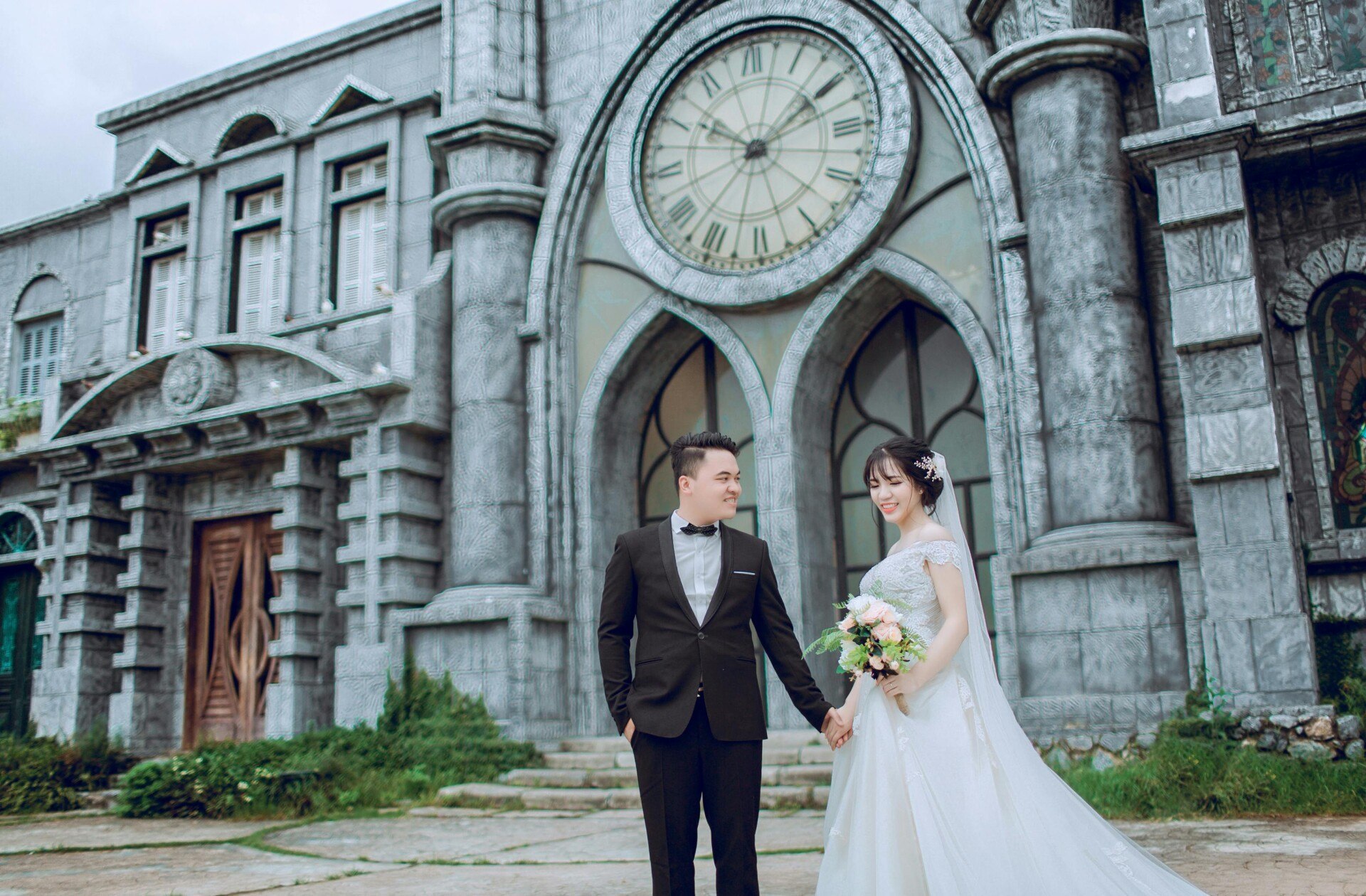
A church wedding carries peace, promise, and family ties. It gathers two people, two families, and a wider faith community. The aim is to honor God, respect the rite, and welcome every guest with warmth. Many couples want a clear path. They want simple steps that still hold meaning. This guide maps out each part in plain words. It shows how to shape the service, set the tone, and keep the heart of the day.
The focus is on traditional church wedding planning with clear choices and kind care. The flow covers talks with family, meetings with the parish, church marriage preparation, and ceremony details. The guide also offers religious wedding planning tips for music, readings, and etiquette. It explores Catholic wedding traditions and common church wedding customs with respect. The advice supports a faithful wedding celebration from rehearsal to reception. The steps keep both faith and guest experience in mind.
Couples will see how to plan a day that is beautiful and reverent. The sections show how to meet parish rules and still add personal touches. The content fits a mix of needs. It gives a simple Catholic wedding ceremony guide while noting local parish styles. It keeps language easy while holding a serious tone. The path aims to help each couple plan with calm and care. The result is a wedding that feels true to faith and kind to every guest.
Setting The Foundation: Church Requirements, Dates, And Documents
I start every traditional church wedding planning timeline with one task. Call the parish office early. Many parishes book fast in spring and summer. Ask about available dates, the priest or deacon who will help you, and the policy for a full Mass or a ceremony without Communion. If one person is not Catholic, a service without Mass is common in many places. It can still be very warm and prayerful. This is a key moment to ask what your church needs from both of you.
Most parishes have a clear list for church marriage preparation. You may need new baptismal certificates from your churches of baptism. You may need confirmation records. You may do a FOCCUS or similar inventory to talk about life topics. You may attend a Pre Cana day or a weekend. I tell couples to treat these meetings as gifts. They help you talk about money, family, children, prayer, and goals. They take time, so start early. It keeps stress low as you move toward the wedding date. Ask about civil steps too. Your city or county has a marriage license rule with a window for pick up and use. Put that date on your calendar. Ask where to bring the license and who will sign it. Many parishes also have a suggested donation for the church, the musician, and the cantor. Some have fees for the coordinator or sacristan. Write it all down so you can plan your budget with care.
Good religious wedding planning tips also include simple habits. Confirm your rehearsal date in the parish calendar. Ask about photo rules and decor rules. Ask if flower petals are allowed. Ask if an aisle runner is okay. Ask if you can greet guests at the church door after Mass or near the parish hall. Each parish is a little different. Clear answers now save time later. Set a folder for every document. Keep a copy of IDs, sacramental papers, license info, and vendor contacts. Share a quick timeline with your priest or deacon and your planner. When the paper side is in order, your heart can rest better. You get more space for prayer, family, and joy as the day grows near.

Sacred Rituals That Shape The Day: Catholic Mass Elements And Symbolism
Many couples ask me for a Catholic wedding ceremony guide that explains the parts of the liturgy. Here is a simple view. The liturgy has two main sections when you choose a Nuptial Mass. First is the Liturgy of the Word. You hear the readings from Scripture and the Psalm. You listen to the Gospel. The priest shares a homily. Then comes the Rite of Marriage. You declare consent. You give rings. You receive the Nuptial Blessing. After that, the Mass moves into the Liturgy of the Eucharist. Communion is offered to the faithful. A final blessing follows. If you choose a ceremony without Mass, the Rite of Marriage is placed within a full Liturgy of the Word without Communion. Both forms honor the sacrament and your promise.
Each moment carries meaning. The exchange of consent is the heart of the rite. Your words are simple and strong. You freely give yourself. You promise to be faithful. You promise to love in good days and hard days. The ring exchange is a sign that the promise is real and visible. The Nuptial Blessing is a prayer for your life. It asks for grace to help your love grow. It asks God to help you care for each other and for any children. Many couples add small devotions that fit church wedding customs. A Marian visit is common in some parishes. After Communion, you may bring flowers to a statue of Mary and say a short prayer. In some communities, a lasso or arras is part of the rite. These gestures can honor family roots and Catholic wedding traditions with care. Ask your priest what the parish allows and how to place the devotion within the rite.
Guests also take part. The assembly stands, sits, and responds. Lectors proclaim the readings. Gift bearers bring the bread and wine in a Mass. Music lifts the prayer at each stage. If your wedding is interchurch or interfaith, speak with your priest about how to welcome guests in a kind way. A short note in your program can explain who may receive Communion and how others can still join in prayer. This simple step keeps the moment calm and respectful while honoring faith in marriage.
Timeline, Rehearsal, And Coordination: From First Meeting To Wedding Day
Good timing keeps peace in your heart. I build a simple plan that covers a year. Shorter timelines can work. Speak to your parish right away so they can guide you. I include a table here that shows key dates and tasks. Use it as a starting point and adjust it to your parish calendar.
| Timeframe | Church Actions | Planning Notes |
|---|---|---|
| 12 months | Contact parish, hold date, meet priest or deacon | Ask about Mass vs ceremony, fees, photo rules, music staff |
| 9 months | Begin church marriage preparation and inventories | Collect baptism and confirmation papers, start Pre Cana |
| 6 months | Select readings, plan music, book musicians | Build program draft, choose lectors and gift bearers |
| 4 months | Meet again with priest or deacon | Confirm form of vows and Rite of Marriage details |
| 2 months | Finalize liturgy plan and decor notes | Share vendor rules with photo and video teams |
| 1 month | Turn in remaining documents | Verify marriage license window and pick up date |
| 1 week | Rehearsal with priest, coordinator, and wedding party | Bring license, rings, programs, check envelopes |
| Wedding day | Arrive early, pray, and greet clergy | Coordinator manages timeline, vendors, and cues |
Set clear roles for the day. A parish coordinator or sacristan often opens the church and sets the vessels. The priest or deacon leads the rite. Altar servers help at the altar. Lectors proclaim the Word. Extraordinary ministers help at Communion if needed. Your outside planner, if you have one, can handle arrival times and vendors. Give that person a copy of your liturgy plan and the parish rules so they can protect the sacred flow. Build a small day bag. Add rings, license, vow text, tissues, water, mints, bandages, and a tiny sewing kit. Put envelopes for parish donations in a marked folder. Label each one for musician, cantor, sacristan, and coordinator if used. Hand that folder to a trusted person. It saves time and keeps the day smooth.
Arrival windows need care. I ask wedding parties to be on site 30 to 45 minutes before start time. Musicians warm up and set music. Ushers hand out programs and help seat elders first. The coordinator checks mics and the aisle. The priest says a short prayer with the wedding party in the sacristy. This small pause grounds the room and keeps minds calm. After the rite ends, plan a clean exit. If your parish allows a receiving line, set it in an open space near the door. If not, move outside for hugs and photos. Make space for parish staff to reset the sanctuary if another Mass follows. This respect is part of Catholic wedding traditions and shows love for the whole parish family. Every step in this timeline supports planning Catholic wedding details with peace. It blends order, gratitude, and faith. It leaves room for the Spirit to work in you and through you on your wedding day and every day after in marriage.