A church wedding that honors tradition is about much more than a beautiful building and a white dress. It is a public promise before God, your family, and your church community. As Pastor Brian, I have seen that couples who prepare their hearts, not just their schedules, walk away with a deeper sense of peace on their wedding day.
This article walks you through key steps so your celebration reflects your faith, respects your church’s guidelines, and still feels personal to your story as a couple. With some prayer, planning, and honest conversations, your wedding day can point clearly to Christ and the lifelong covenant you are entering.
Choosing a Church and Understanding Requirements
Begin by deciding which church will host your ceremony. For many couples, this is the church they already attend, where they worship regularly and know the pastor. Others choose a church connected to family history, such as the parish where a parent was married. Think about location, travel for guests, and whether you both have a genuine connection to that congregation, not just a pretty backdrop for photos.
Every church has its own expectations for a church wedding, so schedule a meeting with the pastor or wedding coordinator early. Ask about membership requirements, premarital counseling, ceremony times, rehearsal schedules, and any fees or donations. Some churches require you to attend counseling sessions or a marriage preparation course before reserving a date. Treat these steps not as hoops to jump through, but as spiritual preparation that strengthens your relationship.
Churches often have guidelines about music, modesty, and behavior in the sanctuary. That may include modest dress, no alcohol on church property, and a commitment to Christ-centered vows. In some traditions, especially for Catholic brides, there may be specific liturgical requirements, such as using the approved order of service or including particular prayers. Ask for written guidelines if possible so you can refer back to them while planning.
Blending Family Traditions into the Ceremony
Many couples carry strong expectations from parents and grandparents into their wedding planning. Some families hope for specific readings, a veil or cord ceremony, a unity candle, or certain cultural customs. Take time together as a couple to talk through what matters most to you, then sit down with your families and listen to their hopes as well. Often you can blend these together in a way that honors tradition without losing your own voice.
Some customs carry deep biblical meaning, such as exchanging rings, sharing communion as husband and wife, or having parents pray over you. Other habits may have grown up through family history, like a certain song that has played at every wedding for three generations. Ask your pastor which practices fit well within your church’s worship and theology, and which might be better saved for the reception. That conversation helps avoid surprises or hurt feelings later.
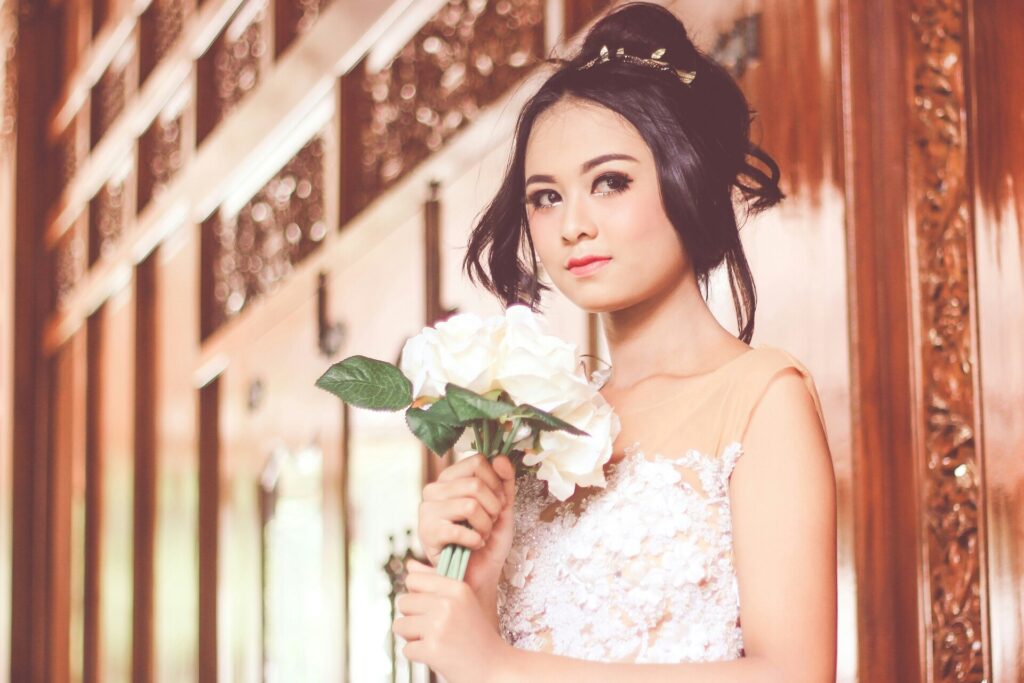
Symbolic elements can also express your faith. For example, your bridal gown can speak of purity and commitment, and resources like this reflection on what a bride’s dress symbolizes can inspire thoughtful choices about style and meaning. You might also consider cultural touches such as a blessing in another language, a hymn from your heritage, or a Scripture passage your family loves, woven into the prayers or readings.
Planning the Liturgy, Readings, and Music
The structure of your worship service, or liturgy, should center on God’s presence and the covenant you are making. Many churches follow a set order of service that includes Scripture readings, a short sermon or homily, vows, exchange of rings, prayers, and a blessing. Ask your pastor for the recommended order, then talk through which elements can be personalized. You might include a congregational hymn, a moment of silent prayer, or a special blessing for your parents.
Scripture readings should point to God’s design for marriage, love, and faithfulness. Classic passages include Genesis 2, Psalm 23, 1 Corinthians 13, Ephesians 5, and Colossians 3. You can invite family members or close friends to read, provided they are comfortable speaking in front of the congregation. Remind them to practice ahead of time so the Word is read clearly and prayerfully. Some churches require that all readings come from the Bible, while others allow a short Christ-centered poem or reflection.
Music sets the tone for the entire service, so choose songs that are both worshipful and singable. Work with your music minister or worship leader to pick prelude music, processional and recessional pieces, and any congregational singing. Many couples want a favorite love song, but in a church wedding that honors tradition, it is wise to focus on hymns or worship songs that glorify God. Think about including at least one piece everyone can sing together, so your guests participate rather than just watch.
If your wedding falls close to a church observance such as Christmas, Easter, or a special emphasis like Freedom Sunday, ask your pastor whether the service should reflect that theme in prayer or song. This can be a meaningful way to tie your marriage covenant to the wider life of the church and its mission in the community.
Respectful Décor and Photography in Sacred Spaces
Most couples want the sanctuary to feel beautiful on their wedding day, yet the space is first and foremost a place of worship. Before ordering flowers or decorations, ask your church what is allowed. Some congregations restrict aisle runners, tape on pews, or large backdrops that cover the cross or altar. Aim for décor that complements the existing architecture instead of replacing it. Simple floral arrangements, candles approved by the church, and modest pew bouquets usually work well.
Think through how your décor choices will look not just in photos, but in person for your guests. They should still be able to see the front of the church clearly and participate in prayers, Scripture, and singing. Avoid decorations that distract from the central symbols of faith, such as blocking the pulpit or communion table. Ask where you may place unity candles, a kneeling bench, or other items so that they respect your church’s usual layout and practices.
Photography and video can be sensitive topics in sacred spaces. Many pastors welcome respectful photography, but they may limit flash during prayer, communion, or Scripture readings. Speak with your photographer well before the wedding, share the church’s guidelines, and walk them through the sanctuary. Ask your pastor where photographers may stand during the processional, vows, and ring exchange. Agree together that the focus stays on worship, not on getting the perfect angle.
Some couples choose to do most portraits before or after the ceremony so the service itself remains calm and reverent. If your church hosts multiple events on the same day, be sure to respect time limits for photos and cleanup. Communicate your schedule clearly with family and the wedding party so no one lingers in the sanctuary while staff need to reset the space for regular services.
Simple Checklist for Respectful Use of the Sanctuary
- Confirm decoration rules with the pastor or wedding coordinator in writing.
- Plan décor that does not cover or compete with the cross or altar.
- Share photography and video policies with your photographer and videographer.
- Build a realistic timeline for setup, photos, and cleanup that honors church schedules.
When you treat the church building as a sacred place rather than just a venue, your guests sense that your marriage is rooted in worship and reverence. That attitude flows into how the bridal party behaves, how guests are greeted, and how everyone participates in prayer and song. A church wedding that truly honors tradition points clearly to Christ, not just to the couple’s style.
Leave a Reply