Marriage is a sacred covenant in which God Himself is the main witness. Every word spoken, every gesture made, and every symbol presented points to a love that is faithful, fruitful, and enduring. As a pastor, I often tell couples that their wedding is not just an event; it is an act of worship in which their love becomes a living sign of Christ’s love for His Church.
If you are preparing for your own wedding or simply curious, you will notice that the Church does not stage a performance but celebrates a sacrament. The structure, prayers, readings, and music all come from a deep well of faith and centuries of lived experience. My hope is that as you read, you will not only see how the liturgy works but also sense the tenderness and strength God offers you in this sacrament.
The Structure of a Catholic Wedding Ceremony
A Catholic wedding ceremony generally takes one of two forms: within a full Mass or outside of Mass. When both bride and groom are practicing Catholics, the marriage is often celebrated within a nuptial Mass, which includes the Liturgy of the Word, the exchange of vows, the Liturgy of the Eucharist, and Holy Communion. When one spouse is not Catholic, or when pastoral circumstances suggest it, the rite of marriage is celebrated without a full Eucharistic liturgy but still retains its solemn character.
The ceremony usually begins with a procession, during which the couple, attendants, and ministers enter as the community sings. The opening prayers and greetings set the tone, reminding everyone that they stand before God asking for His blessing. The Liturgy of the Word follows, with readings from Scripture that speak of love, fidelity, sacrifice, and God’s plan for marriage. In this setting, the couple hears God address them personally through His word, and the homily then connects the readings to their particular call to holiness as husband and wife.
After the homily comes the central moment: the exchange of consent. The bride and groom stand before the priest or deacon, declare their intention to enter marriage freely and faithfully, and speak their marriage vows. This spoken consent, witnessed by the Church, is what brings the sacrament into being. The rings are then blessed and exchanged as outward signs of the inner covenant. In my parish, I often remind couples that every anniversary and every hardship will invite them to remember this consent and renew it in daily life.
Sacred Symbols and Rituals Within the Nuptial Mass
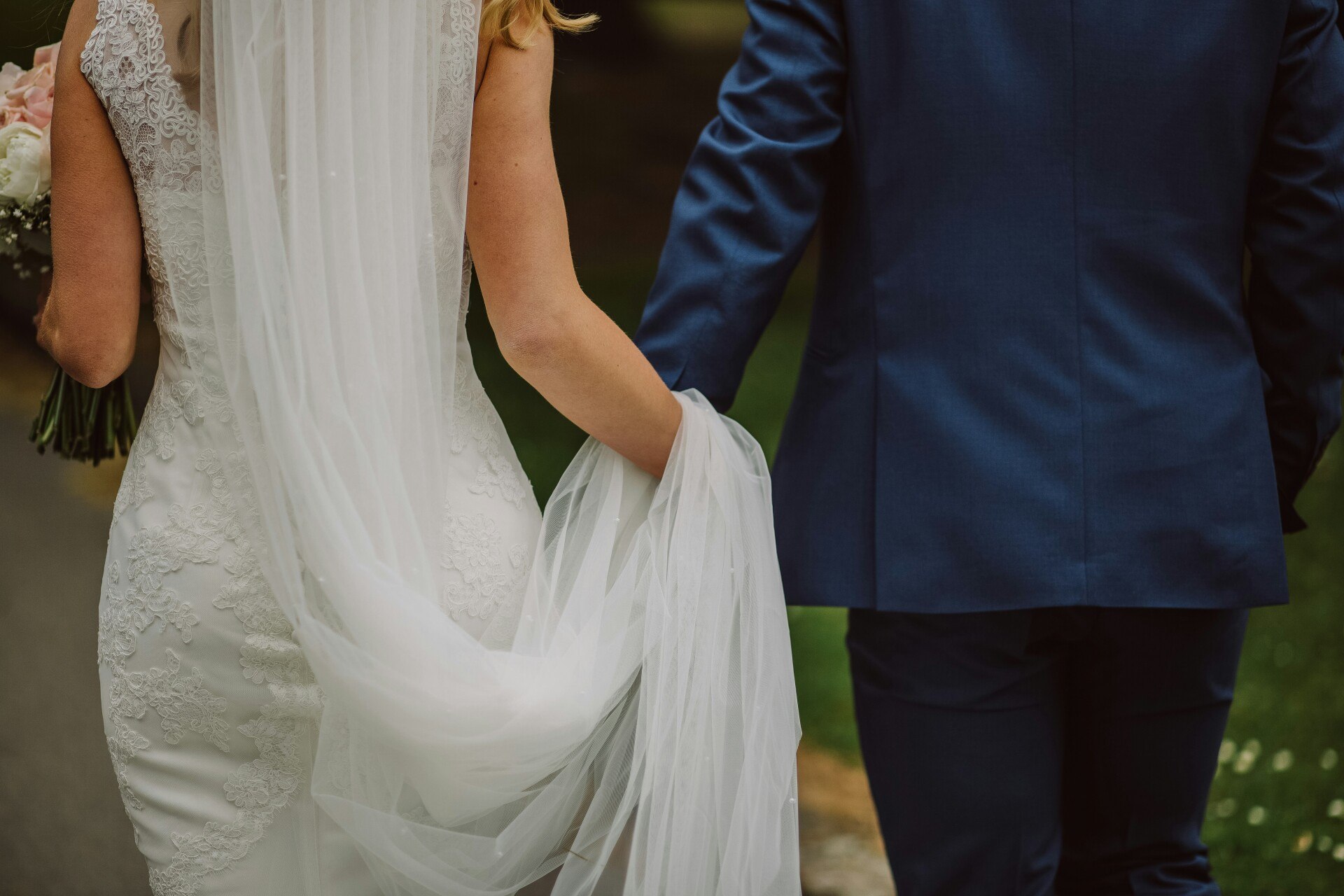
A Catholic wedding ceremony is filled with tangible signs that express invisible grace. The wedding rings, circles without beginning or end, express the permanence of the bond; the white garment of the bride suggests the purity and dignity of baptized life; the unity of the couple at the altar reflects the unity between Christ and His Church. Many brides like to reflect on what their gown communicates, and resources such as this reflection on what a bride’s dress symbolizes can deepen that appreciation.
If the wedding takes place within Mass, the Liturgy of the Eucharist is the highest sign of Christ’s presence and love. The bread and wine, brought to the altar, represent the couple’s lives, work, joys, and sorrows. In the Eucharistic prayer, God receives these offerings and returns them as the Body and Blood of Christ. For couples, this is a powerful reminder that their marriage gains strength not only from human affection but from the sacrifice of Christ made present on the altar. Sharing Holy Communion becomes their first act of unity as a married couple in the presence of the Lord.
Other symbols may vary by region or family custom, yet they point in the same direction: God’s faithful love. In some communities, the lazo or veil is placed over the couple as a sign of unity under God’s protection; in others, coins or arras symbolize mutual responsibility and shared life. The Church encourages couples to choose customs that genuinely express their faith, rather than adding rituals just for decoration. Whatever gestures you include, the key is that they lead you back to Christ and help you see your marriage as a holy covenant.
Role of Family and Community in the Liturgy
Marriage never stands in isolation. In Catholic teaching, the couple’s love grows within a wider family and parish community, and that reality appears clearly in the liturgy. Parents, grandparents, godparents, and friends do not simply watch; they pray and participate. When you stand at the altar, you bring with you the love, sacrifices, and prayers of many who have supported you. The presence of family and parishioners shows that your marriage builds up the entire body of Christ.
Family members often take part by reading Scripture, bringing up the gifts of bread and wine, or offering musical talents. Some couples invite parents or godparents to pray a blessing over them at the reception, echoing the nuptial blessing given by the priest. Resources like this page for Catholic brides can help families reflect on their spiritual role instead of focusing only on logistics. As a pastor, I have seen how a simple moment of shared prayer between parents and their newly married children becomes one of the most cherished memories of the day.
Community participation continues long after the last photograph is taken. The parish promises to support the couple through prayer, ongoing formation, and practical care. Marriage preparation programs, small faith-sharing groups, and regular Mass attendance all help sustain the grace given on the wedding day. In this sense, every anniversary is linked back to that first liturgical celebration, and the community keeps asking the Holy Spirit to renew the couple’s love and deepen their fidelity.
Music, Readings, and Prayers that Enrich the Ceremony
Music and Scripture give a Catholic wedding ceremony its emotional and spiritual color. The Church invites couples to choose readings from an approved set, each one expressing some aspect of God’s vision for marriage. Popular choices include Genesis accounts of creation, St. Paul’s praise of love in 1 Corinthians 13, or Gospel passages where Jesus blesses marriage and family life. These texts are not just poetic words for a special day; they are a pattern for daily living as husband and wife. Many couples find it helpful to read several options together in prayer before meeting with the priest to make final selections.
Music functions as another voice of prayer during the liturgy.
Hymns at the entrance, the responsorial psalm, the offertory, communion, and the recessional all shape the mood and direct hearts toward God. I encourage couples to choose songs that the assembly can sing, not only solos performed by a cantor. When the congregation joins in familiar hymns, the whole church becomes a choir praising God for the gift of this marriage. For inspiration on how older customs and devotional practices can influence your choices, it can be helpful to read about traditions in Catholic wedding celebrations and adapt them in a thoughtful way.
The prayers of the wedding liturgy draw deeply from the Church’s treasury. The nuptial blessing asks God to pour out His Spirit upon the couple, grant them grace in times of joy and trial, and bless their future children. The Prayers of the Faithful include intentions not only for the bride and groom but also for families, the poor, the sick, and the wider Church. By including these intentions, the couple’s love is placed in a broad horizon of concern for others, reminding them that their home is called to be a small sanctuary of mercy and hospitality.
For couples who wish to enrich their nuptial Mass even further, thoughtful planning of the liturgy can make a deep difference. Some choose to have a short period of silence after each reading so everyone can let the word of God sink in. Others invite close friends to bring up symbolic gifts representing service, prayer, and hospitality, in addition to the standard gifts for the altar. Throughout the planning process, keeping a prayerful attitude helps you see the ceremony not only as your special day but as an offering of praise to God.
Leave a Reply